KENDO
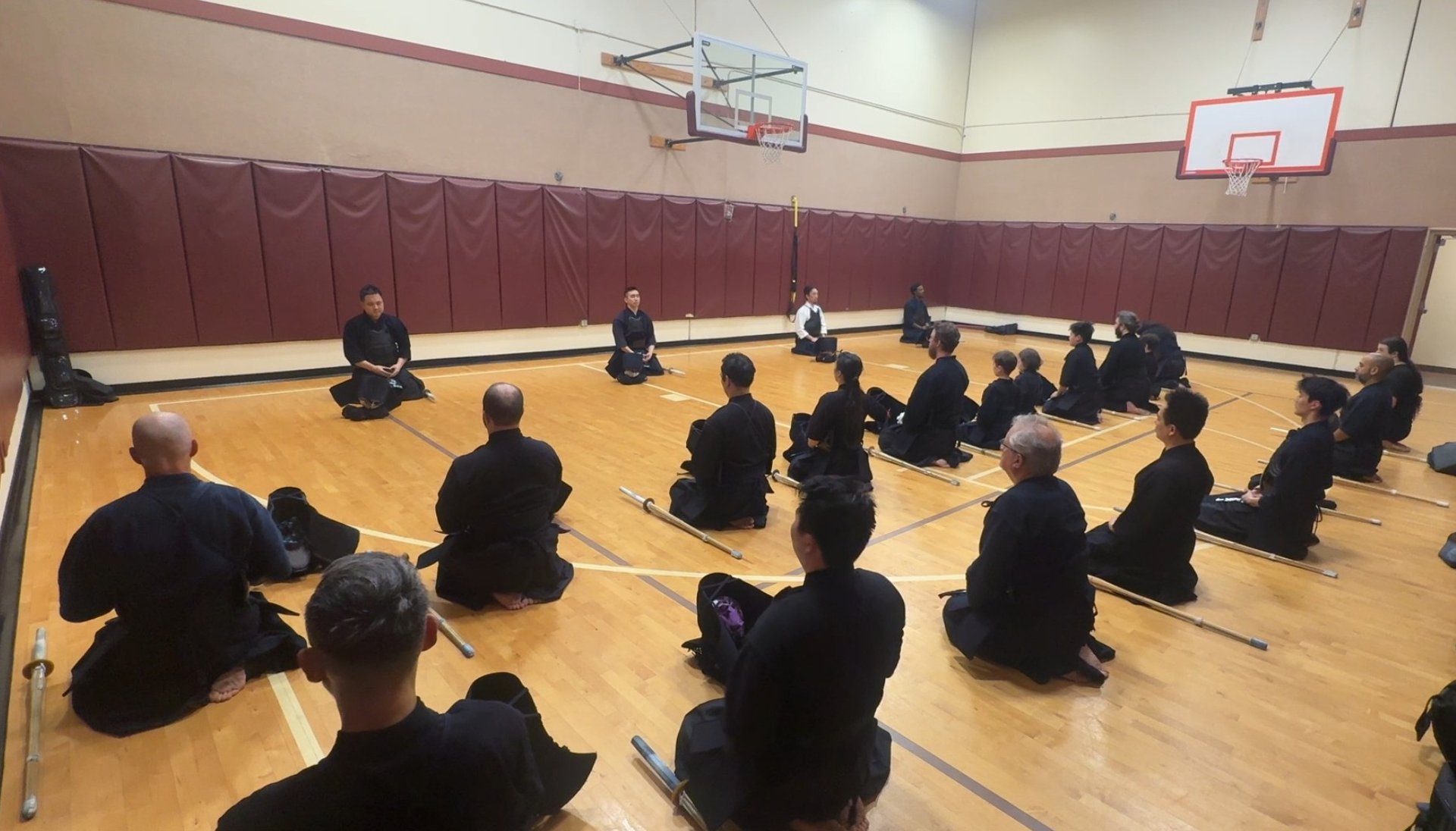
Kendo is defined as the way of the sword. Kendo begins and ends with etiquette.
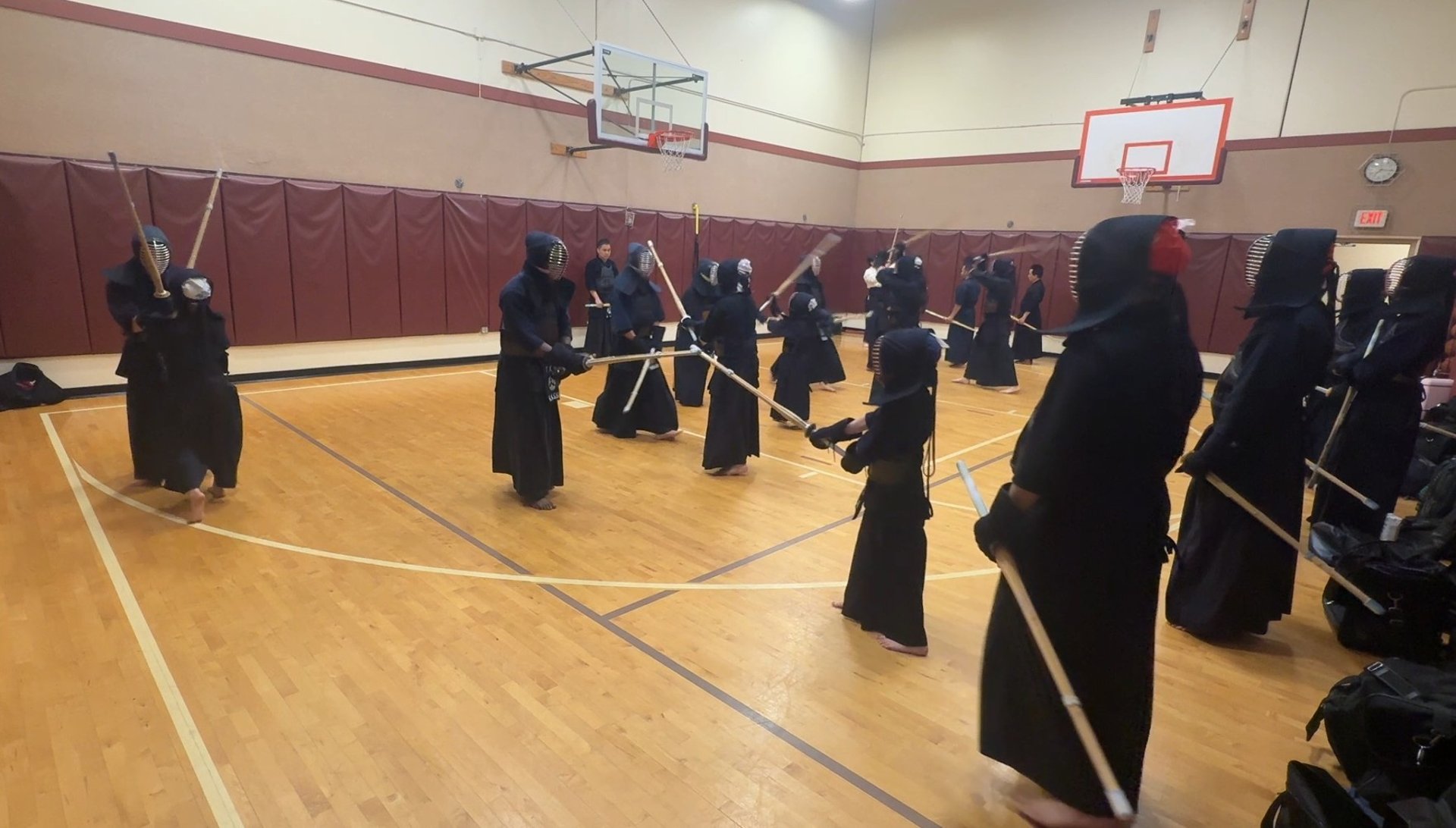
A brief description of kendo is ‘japanese fencing’. But it is much more. Kendo cultivates the mind and spirit as well as strengthening the body. It teaches patience and thought, it teaches honor and etiquette. As many martial arts it trains the mind to see openings and flaws, both in yourself and your opponents. Below is the concept and purpose of kendo as adopted by the All Japan Kendo Federation in 1975.
The Concept of Kendo
The concept of Kendo is to discipline the human character through the application of the principles of the Katana (sword).
The Purpose of Practicing Kendo
The purpose of practicing Kendo is:
To mold the mind and body,
To cultivate a vigorous spirit,
And through correct and rigid training,
To strive for improvement in the art of Kendo,
To hold in esteem human courtesy and honor,
To associate with others with sincerity,
And to forever pursue the cultivation of oneself.
This will make one be able:
To love his/her country and society,
To contribute to the development of culture
And to promote peace and prosperity among all peoples.
Kendo uniform consists of pleated pants called a hakama and a quilted jacket known as a keikogi. (see picture below)

Once a student has attained a certain amount of skill (they must learn how to receive as well as administer a strike correctly) they are allowed to wear bogu (armor). Bogu consists of a helmet known as a men, gloves known as kote, a torso protector known as a do, and a groin protector known as a tare (see below)

The weapons used in kendo simulate the katana. There is a wooden sword known as a bokuto and a bamboo sword known as a shinai. The bokuto is used for kata where there is no contact with the opponent. The shinai is used for full contact sparring when bogu is worn.


In addition there is a short bokuyto known as a kodachi that is used for some of the kata. In addition there is a slightly shorter shinai known as a daito and a much shorter one known as a shoto that are used by nito kendo. In nito the shoto is held in one hand and the daito is held in the other.
|